Are you wondering if the cold months give you an edge as a buyer in DeForest or Windsor? You are not alone. Winter changes how the market moves, from the number of homes available to how much time you have to decide and how you negotiate. In this guide, you will learn how seasonality plays out locally, what to watch during winter showings and inspections, and how to decide whether to buy now or wait for spring. Let’s dive in.
Winter market basics in DeForest and Windsor
DeForest and Windsor follow a familiar Midwest pattern. Fewer homes usually hit the market in late fall and winter, and fewer buyers are actively touring. That mix can create more room to negotiate on certain homes, especially if a seller is motivated to move now.
Inventory vs. competition trade-off
In winter, you typically see fewer new listings. That means less choice, especially if you want a very specific style or lot type. At the same time, you face less competition from other buyers, which can improve your negotiating position on price, concessions, and timelines.
Small markets like DeForest and Windsor can swing quickly because there are fewer listings overall. One or two new homes can shift the feel of the market. Your leverage may vary home by home, so treat each listing individually.
Prices and days on market in winter
Homes often stay on the market longer in winter than in spring. That slower pace can give you more time to think and more flexibility on terms. Median prices can appear lower in winter on a seasonal basis, but larger forces like interest rates and annual trends matter more than the month on the calendar.
When winter favors you
- You want negotiating room on price, credits, or closing costs.
- You value flexible timelines, such as a longer closing or rent-back.
- You are willing to act on a motivated seller who needs to move now.
- You want real-world insight into heating performance and freeze risks during inspection.
When winter works against you
- You need a wide selection of specific features or floor plans.
- You prefer to compare several homes in the same neighborhood.
- You need exterior items fully evaluated that are covered by snow or frozen ground.
Showings in cold weather
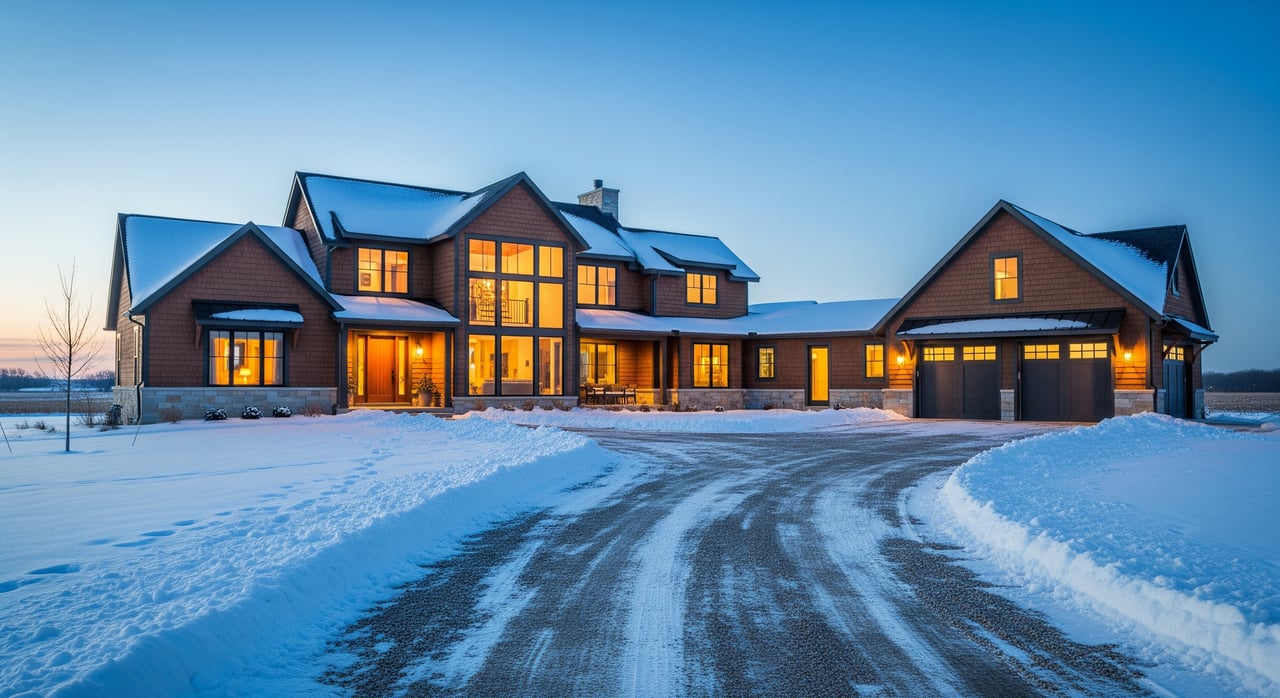
Winter changes how you tour. Short daylight hours make it harder to see exteriors clearly in the evening. Snowbanks can limit street parking and driveway access for you and your inspector. You should look closely at snow and ice management, walkway condition, and the feel of the heating system as you move through the home.
Inspections to prioritize in winter
- Heating system: request service records and consider a thorough furnace or boiler check.
- Plumbing: look for insulation on vulnerable pipes and signs of past freeze damage.
- Basements and drainage: understand that frozen ground can hide issues, but a thaw or melt can reveal sump pump or seepage problems.
- Roofs and gutters: ask about ice dams, prior repairs, and flashing condition under snow cover.
- Wells and septic: some septic evaluations or perc tests may need to wait until thaw; plan for contingencies if required by your lender or municipality.
- New construction and lots: unfinished grading or drives may be hard to review; exterior work may be deferred until spring.
Appraisals and comps in winter
Appraisers may have fewer fresh sales to compare, especially in smaller markets. They often lean on nearby sales from recent months and note seasonality. This can create uncertainty that becomes a negotiation point, so it helps to align early with your lender on how winter comps will be handled.
Closing and logistics in cold weather
- Build flexibility into timelines if weather delays showings, inspections, or municipal checks.
- Keep your final walk-through focused on heat, hot water, and any winter-related repairs.
- Get insurance quotes early, particularly if the home shows signs of freeze or ice damage.
- Consider post-thaw agreements for exterior items that cannot be fully reviewed under snow.
Start now: a simple plan
- Get preapproved and clarify your must-haves and nice-to-haves.
- Ask for utility and maintenance records, including furnace service and sump pump history.
- Write your inspection scope to include HVAC and plumbing checks.
- Discuss appraisal expectations with your lender before you write an offer.
- Confirm access for inspectors and plan for delayed tests if the ground is frozen.
- Be ready to negotiate repairs or credits if price movement is limited.
When waiting for spring helps
- You need more inventory to compare floor plans, lots, or new construction.
- You are concerned about septic evaluations, perc tests, or exterior items that require thawed ground.
- You prefer a simpler process with longer daylight and easier access.
Get local snapshots and comps
Small-market dynamics make local data essential. Ask for a 12 to 24 month view of active listings, closed sales, average days on market, and median price by month for DeForest and Windsor. Request examples of past winter listings and how they performed, along with typical winter concessions like credits or flexible closings.
Key takeaway: Winter can favor you with less competition and more negotiation room, but selection is tighter and some inspections are harder. If you prepare well, you can find value on the right property.
If you want a local read on today’s inventory and leverage, reach out for a quick strategy session. Book a free neighborhood consultation with Kristine Jaeger to get seasonal comps, a winter-friendly inspection plan, and a step-by-step path to your next home.
FAQs
Is winter a good time to buy in DeForest or Windsor?
- Yes, if you value less competition and more negotiation room, but expect fewer listings and be ready to act when the right home appears.
How do winter inspections differ in Dane County?
- Inspectors focus more on heating performance, plumbing freeze risks, roof and ice-dam evidence, and may defer some exterior or septic items until thaw.
Can appraisals be harder in winter for small markets?
- They can be, because there are fewer recent sales, so appraisers may rely on older comps and explain seasonality, which can affect negotiations.
What if a septic inspection cannot be completed before closing?
- You can structure a contingency or post-thaw agreement that outlines timing, access, and remedies if issues are found once the ground thaws.
How can I strengthen my offer on a winter listing?
- Get preapproved, align with your lender on appraisals, include targeted inspections, and use credits or flexible timelines to solve the seller’s problem.