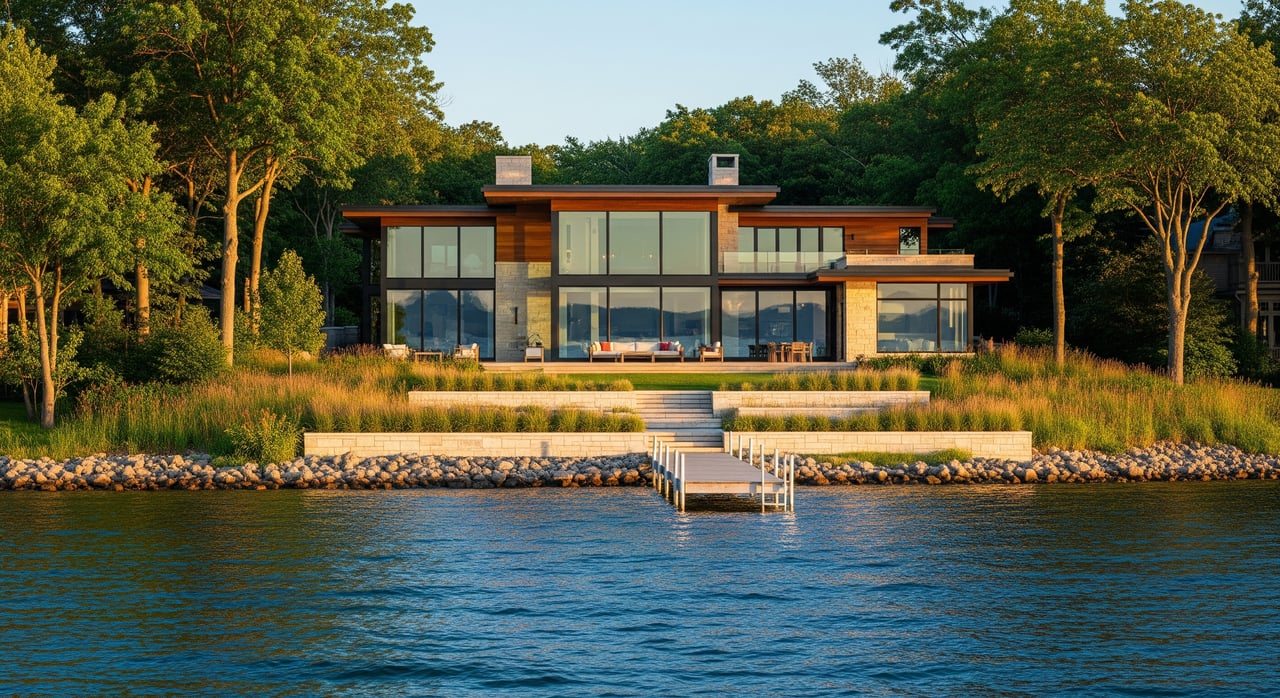
How to Buy on Madison’s South Lakes
January 1, 2026
January 1, 2026
Dreaming of coffee on the pier or sunset boat rides, but not sure how to buy on Madison’s south lakes? You are not alone. Waterfront shopping in 53711 is different from a standard neighborhood search, and a little prep goes a long way. In this guide, you will learn how shoreline types, boat access, seasonality, and local rules shape your options and your budget. Let’s dive in.
The south Yahara chain includes Lakes Monona, Waubesa, and Kegonsa, all connected by the Yahara River. Each lake has its own feel and use patterns. Lake Monona is the most urban, close to downtown with many parks and launches. Lake Waubesa offers a mix of quiet residential stretches and easy access to Madison. Lake Kegonsa feels more rural with larger lots and strong fishing and open water boating.
Zip code 53711 touches western and southern shores of this chain and spans several municipal boundaries. A single shoreline street can shift from the City of Madison to the City of Monona or the Village of McFarland. That matters because permits, sewer service, and zoning rules change by municipality. Always verify which city or village governs a property before you fall in love with it.
You will find multiple public launches on the south lakes, maintained by cities and the county. Launch size, parking, and hours vary. If you depend on public access, scout the nearest ramp and parking before you buy. If you want guaranteed access at your door, search for listings that state “riparian” or “waterfront with private pier permit.” “Near the lake” or “lake access neighborhood” does not always include private docking rights.
Statewide, you must follow watercraft registration and boater safety laws. On the south lakes, cities and villages may also set local no-wake zones, speed limits, or seasonal rules near shorelines and in narrow channels. Homeowner groups or municipalities can limit slip size or require seasonal removal. Ask the seller and the local harbor or parks department which rules apply to the address you are considering.
Ice cover in southern Wisconsin typically forms in late December or January and melts in March or April, but there is wide year-to-year variation. Shorter ice cover has been noted over recent decades. Practically, many owners remove docks and lifts for winter to avoid ice damage. Budget for seasonal install and removal, and confirm where you will store your equipment.
Water levels can vary with rainfall and downstream controls. Ask about recent high and low water, shoreline erosion, and any localized flooding history. Insurance needs can differ by parcel, so verify FEMA status and request quotes early.
Shoreline parcels around the south Yahara chain can fall under the City of Madison, City of Monona, the Village of McFarland, or nearby towns. The governing body determines who permits docks, shoreline work, and tree removal. It also affects sewer and water availability, setbacks, lot coverage, and tax rates. Confirm jurisdiction with a parcel lookup before you schedule showings.
If work occurs below the ordinary high water mark, state permits can apply, and in some cases federal review. Ask the local permitting office what exists on record for the property and what rules will govern future changes.
In more urban stretches, public sewer and water are common. In more rural pockets, private wells and septic systems remain. If a property is on septic, schedule a professional inspection, confirm system type and capacity, and review service records. Renovations or expansions can trigger septic upgrades, so factor that into your budget.
Older docks, walls, or boathouses may be legally nonconforming. You might be allowed to maintain them, but replacements often must meet current standards. Ask for documentation of permits and approvals. Lack of records can slow your plans or add cost.
Waterfront generally carries higher assessed values. Also watch for special assessments for shoreline stabilization, stormwater, or other public projects in lake neighborhoods. Request recent notices and discuss timelines with the municipality.
Use this quick plan before you write an offer and as part of your contingencies:
Regional efforts focus on managing phosphorus and improving water clarity on the Yahara lakes. In warm months, you may see algal blooms. Conditions vary by lake and year. Set expectations for swimming and aesthetics by reviewing recent reports and talking with neighbors who observe the water daily.
Follow aquatic invasive species practices such as clean, drain, and dry when moving boats or equipment. Inspect your dock and lift gear before it goes back in the water. These steps protect your shoreline, reduce maintenance surprises, and support healthier lakes.
Expect ongoing stormwater upgrades, shoreline restorations, and wetland work around the chain. These projects can add value over time but may also create short-term access changes or special assessments. Ask the municipality about planned projects near your street.
Ready to zero in on the right lake home in 53711 with clear guidance and an organized plan? Book a free neighborhood consultation with Kristine Jaeger to map the best-fit shores, confirm the right permits, and move forward with confidence.
Stay up to date on the latest real estate trends.
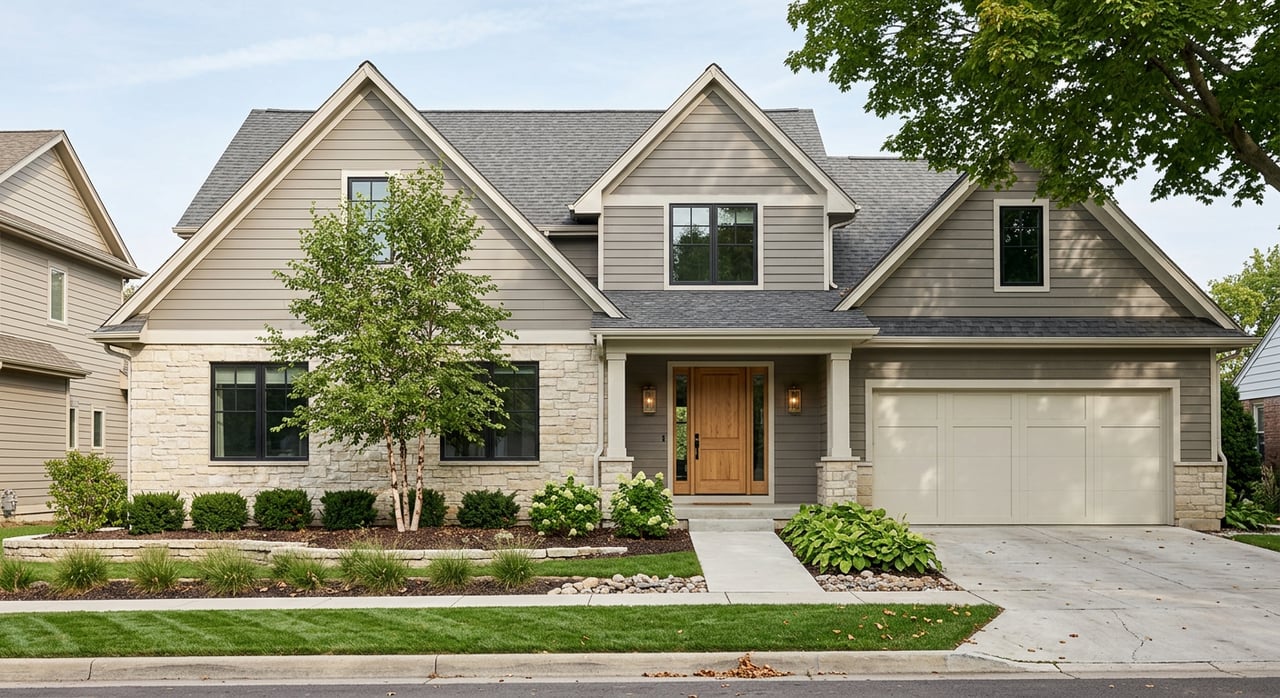
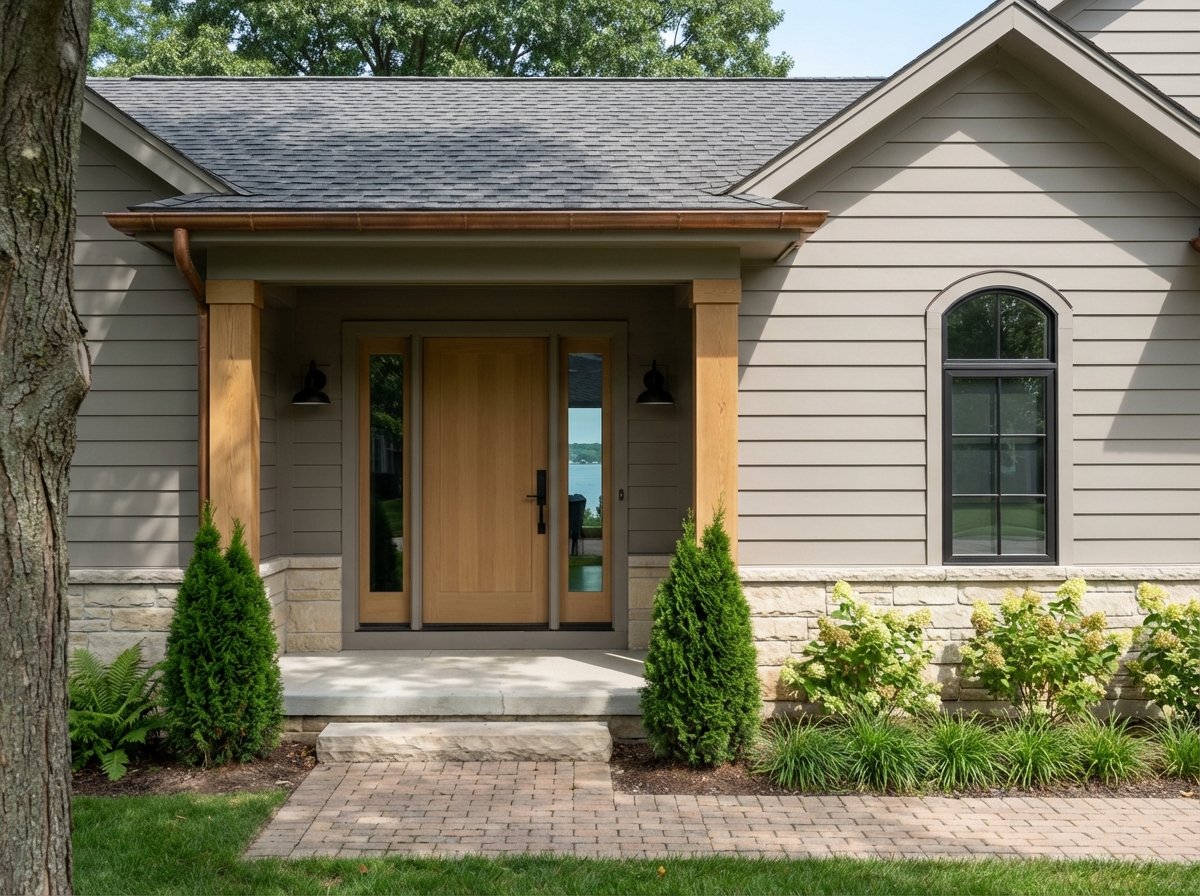
Get assistance in determining current property value, crafting a competitive offer, writing and negotiating a contract, and much more. Contact us today.