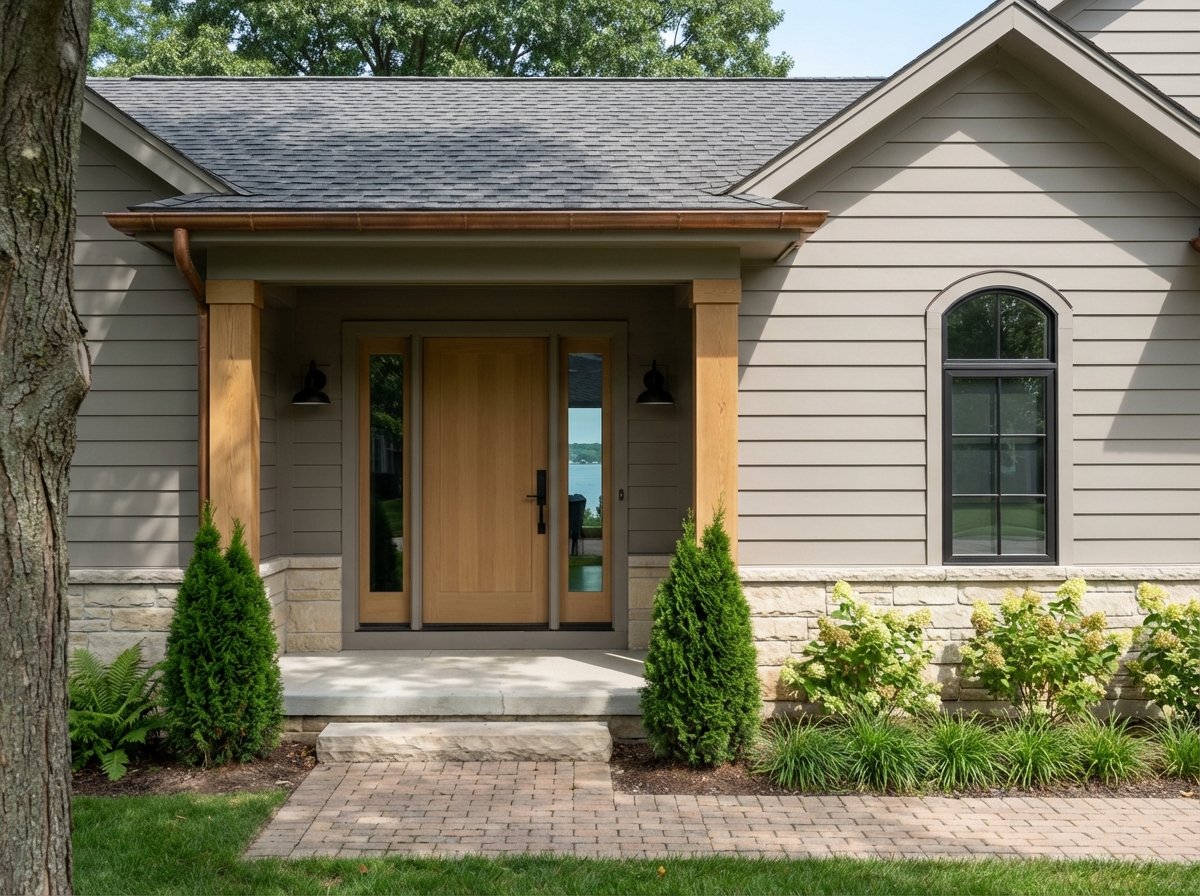
Thinking about selling in DeForest or Windsor and wondering what your home would fetch today? You are not alone. Pricing feels tricky right now because the market moves fast and varies by neighborhood and price tier. In this guide, you will see where local prices stand, how agents actually set a list price, smart strategies to consider, and the exact prep and metrics to bring to your listing appointment. Let’s dive in.
DeForest and Windsor prices today
As of December 2025 and early January 2026, published snapshots showed median sale prices around $450,000 in DeForest and about $501,000 in Windsor. Smaller sample sizes in Windsor can cause bigger month-to-month swings, so treat these as directional. For context, the Dane County single-family median sat near $427,000 in early 2026, according to county-level trends.
Days on market varied by source and definition. Some feeds showed medians over 60 days for certain periods, while a local December closing sample reported a much quicker pace. Ask which DOM definition is being used: time to contract, time to close, or MLS DOM.
Inventory depends on the price tier. A January 2026 local summary flagged very tight supply in the $300,000 to $399,000 band and much higher supply above $1 million. That split matters for your strategy because price tiers do not move in lockstep.
Local demand drivers support pricing here. DeForest is roughly 12 to 16 miles from downtown Madison, about a 25 to 30 minute drive for many commuters, which expands the buyer pool for well-presented homes near Madison. Many properties feed into the DeForest Area School District, which enrolled about 4,100 to 4,300 students in 2024 to 2025. Families often ask about attendance zones when they shop, so your exact location can matter for pricing and marketing. You can review the district’s profile through the NCES district page.
Bottom line: treat the figures above as a dated snapshot. Your value depends on your micro-neighborhood, condition, features, and current competition in your price band.
How agents set your list price
A smart list price blends data and strategy. Your agent starts with a Comparative Market Analysis (CMA), then makes strategic adjustments based on timing and your goals. The NAR consumer guide explains the core CMA inputs:
- Sold comparables: 3 to 6 recent closed sales that closely match your home in location, size, beds/baths, lot, and features. The most useful comps often closed in the last 30 to 90 days.
- Active and pending comps: actives are your current competition, while pendings show what buyers are willing to pay right now.
- Adjustments: dollar or percent tweaks for meaningful differences like square footage, finished basement, lot quality, garage size, bedroom/bath counts, renovations, and overall condition.
Adjustments that move your price
- Condition and upgrades. Documented improvements can add value, especially newer roof or HVAC, refreshed kitchens and baths, and strong curb appeal. Many projects do not recoup full cost at resale, so choose carefully. National Cost vs. Value analyses show exterior and targeted cosmetic updates often deliver the best near-term ROI. See the latest trends in the Cost vs. Value summary.
- Time adjustments. If your best comps are months old and the market shifted, your agent may adjust those closed prices up or down to reflect today’s conditions. The NAR overview covers how pros approach these calls.
- School catchment and neighborhood premiums. Homes in preferred attendance zones can attract stronger buyer interest. Reference the district’s enrollment and boundaries, then verify any premium using very close-by comps and the NCES district profile.
- Price per square foot. PPSF is a reference point, not a rule. Outliers like highly upgraded homes or unique lots can distort averages. Your CMA should compare truly similar homes and then fine-tune for features and condition.
Appraisal vs. market value
Market value is what qualified buyers will pay today. An appraisal is a lender’s valuation used for underwriting. They usually align, but not always. Overpricing can increase the risk of a later low appraisal, which can put a contract at risk. The NAR guide explains why aligning list price with recent evidence matters.
Choose a pricing strategy
There is more than one way to launch. The best path depends on supply and demand in your price tier, the condition of your home, and your timeline.
- Market-value pricing. List at the midpoint of a well-documented CMA range. You capture typical buyer searches and reduce the risk of long days on market. This is often best in a balanced segment.
- Strategic underpricing. List slightly below perceived market value to drive traffic and multiple offers. This can work well if your tier has tight inventory and strong buyer demand.
- Premium pricing. List above the data-supported range to test the market. This approach often lengthens days on market and raises the odds of future reductions unless the home is truly unique. For context on upgrade returns and buyer reactions to condition, see Kiplinger’s guidance on projects that pay off.
Seasonality and timing
Dane County follows a common Midwest pattern. Spring and early summer typically see faster sales and stronger prices, with May often cited as the best-performing month in national studies. Your street may not match the averages, so confirm timing using a current CMA and a live read on actives and pendings in your micro-neighborhood.
Avoid these pricing mistakes
- Overpricing out of the gate. This leads to fewer showings, stale-listing stigma, and a lower final sale after cuts. Make timely, meaningful adjustments if the market sends clear feedback. For context on how buyers value improvements and presentation, review Kiplinger’s advice on payoff.
- Using county averages for a hyper-local call. A neighborhood a mile away can have very different dynamics. Your CMA should use the closest possible comps and current competition.
- Relying only on automated valuations or gut feel. AVMs are a starting point. The authoritative inputs are recent, similar sales and live competition.
When to revisit your price
The first two weeks are your prime window. Most buyer alerts and portals give the most visibility to the newest listings. Use clear benchmarks with your agent before launch.
- First 10 to 21 days. If you see fewer qualified showings than expected or no offers, reassess. Many agents prefer one decisive reduction rather than several small cuts because it resets attention more effectively. A regional analysis of price-reduction tactics outlines why a single, meaningful move can be better than many nibbles. See the discussion on showings and days on market from Bonita Estero Realtors.
- 8 to 12 showings without a solid offer. That is a classic sign the market sees the home but not the value at the current price.
- Appraisal issues. If a deal falls apart due to a low appraisal, that is objective evidence to revisit pricing and positioning. The NAR overview explains appraisal dynamics.
Prep that supports your price
Strong presentation gives you leverage. Do the simple work before photos and launch.
- Bring these to your listing consult: receipts and permits for major improvements, ages of roof and systems, utility bills, property survey or plot map if you have it, HOA docs if applicable, tax info, and a written list of upgrades, warranties, and known issues for disclosures.
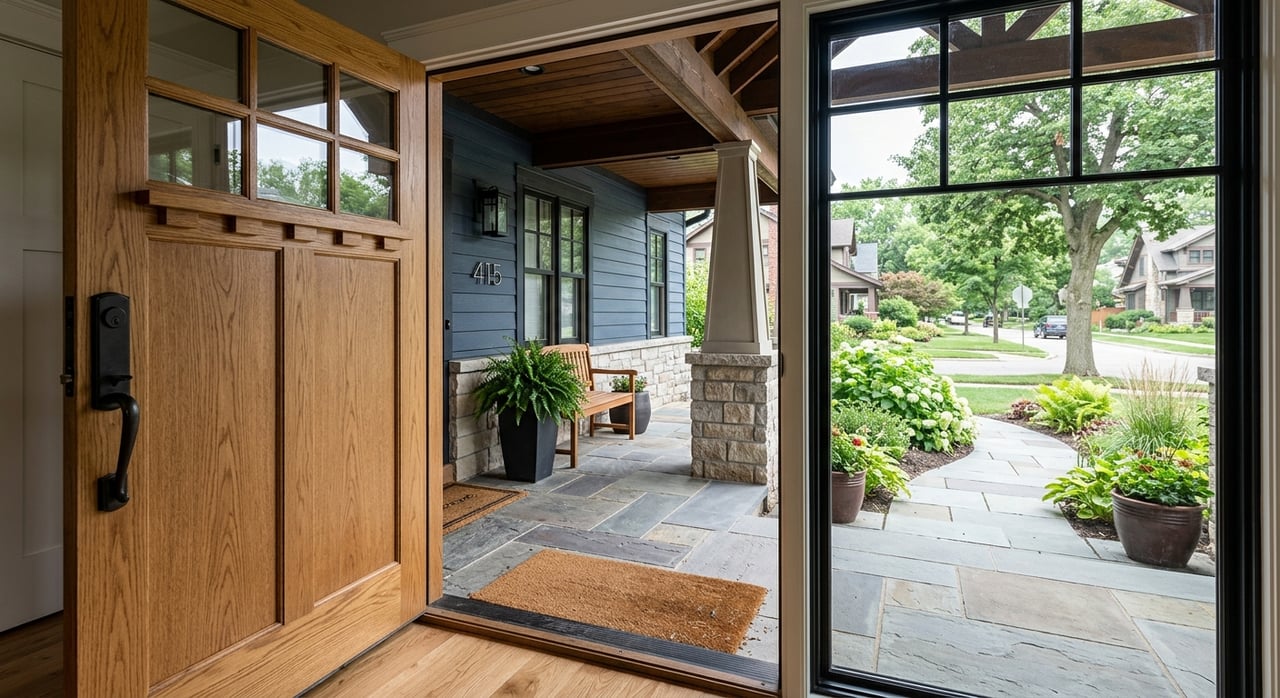
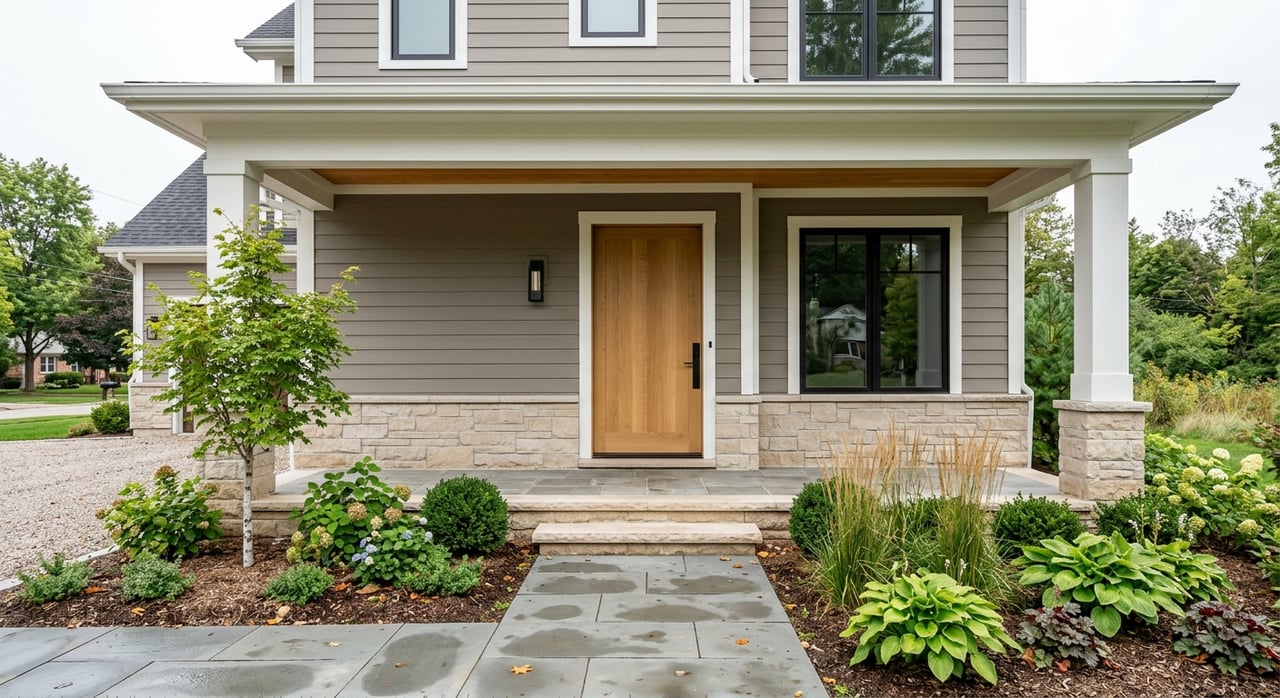
- Tackle high-ROI refreshes: fresh neutral paint, deep cleaning, decluttering, simple landscaping, and an inviting front entry. Cost vs. Value studies show exterior and targeted cosmetic projects often deliver the best resale impact. Review the 2025 Cost vs. Value takeaways.
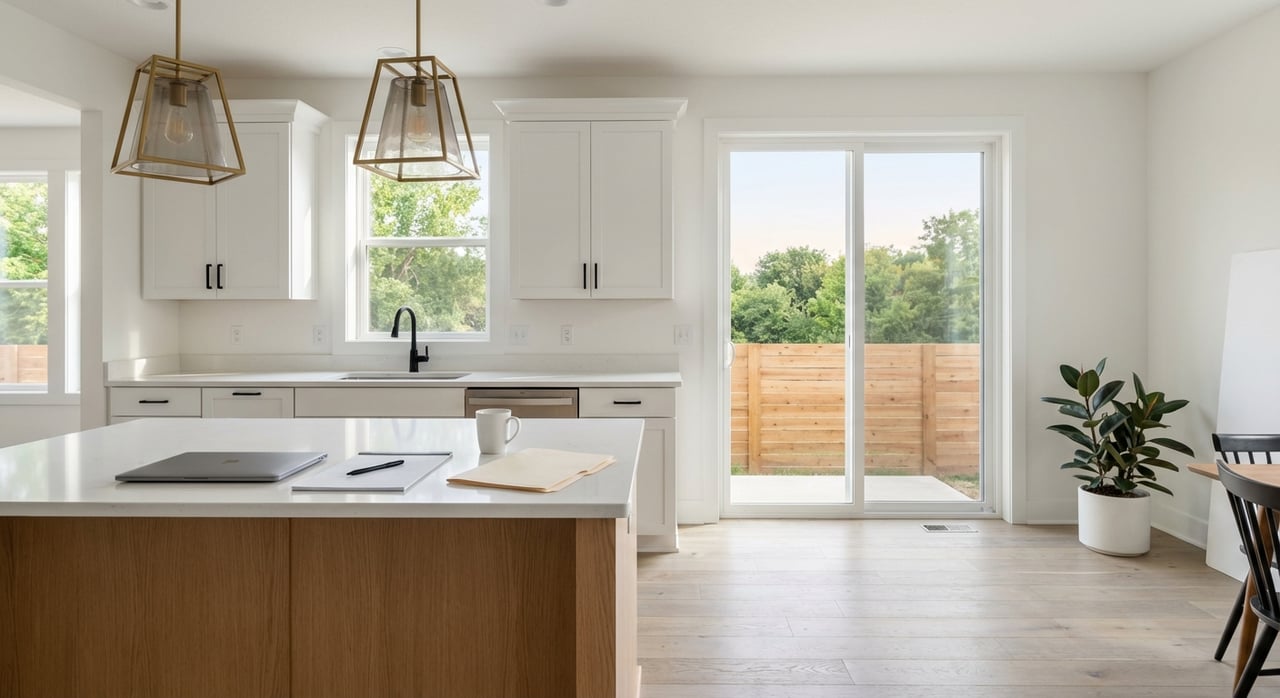
- Right-size kitchen and bath work: consider a minor kitchen refresh like hardware, paint, and counters instead of a full overhaul unless luxury comps in your niche support it. Use your CMA to decide where to stop.
- Market like a pro: professional photography, accurate floor plans or a 3D tour, and a clear description of functional benefits such as a finished basement, updated systems, yard utility, and proximity to schools or commuting routes.
What to ask your agent to bring
- A CMA with 3 to 6 recent sold comps, plus 3 to 6 active and pending listings that match your profile. See the NAR guide on CMAs.
- Recent days-on-market and list-to-sale ratio for your price band and micro-neighborhood.
- A recommended list-price range with a line-by-line explanation of adjustments for each comp.
- A launch and marketing plan: photography date, target go-live day, open house plan, and how they will manage multiple offers if that is your goal.
- A monitoring plan with pre-agreed thresholds for a price review after 10 to 21 days if traffic or feedback misses targets.
Your local pricing game plan
Pricing your DeForest or Windsor home starts with real, recent comps and a clear understanding of your tier’s supply and demand. Pair that with focused prep and strong marketing, then watch the early signals. If the market speaks, respond quickly and decisively. You will protect your momentum and your net.
Ready to get a live CMA and a pricing plan tailored to your block? Reach out to Kristine Jaeger for a free neighborhood consultation.
FAQs
What is the median home price in DeForest and Windsor right now?
- Recent snapshots showed about $450,000 in DeForest and around $501,000 in Windsor as of December 2025, with month-to-month variation and tier-specific swings.
How long do homes take to sell in DeForest and Windsor?
- It depends on price tier, condition, and competition; reported days on market ranged from faster two-week samples to longer medians depending on definition and time frame.
How does a CMA determine my list price?
- Your agent compares recent, similar sales plus active and pending competition, then adjusts for differences in size, features, condition, timing, and location to produce a supported range.
Should I price below market to get multiple offers?
- Consider it if your tier has tight inventory and strong demand; it can increase showings and bids, but your agent should test the current competition before choosing this path.
What upgrades add the most value before listing?
- Focus on paint, cleaning, curb appeal, and targeted updates; national Cost vs. Value analyses show exterior and minor refresh projects often deliver the best near-term ROI.