Maple Bluff vs Lake Mendota Communities: A Buyer’s Guide
March 5, 2026
March 5, 2026
Trying to choose between Maple Bluff and other Lake Mendota communities? You are not alone. Buyers often weigh privacy and prestige against walkability, price, and daily convenience. The good news: each lakeside area offers a clear lifestyle fit if you know what to look for. In this guide, you will see how Maple Bluff compares to Shorewood Hills, Middleton, and the UW lakeshore corridor so you can match your priorities to the right neighborhood. Let’s dive in.
Lakefront villages carry premium prices and higher tax bills in absolute dollars. Because inventory is tight and sales are few, reported medians can swing month to month. Treat prices as ranges and focus on value within each neighborhood. For taxes, look at effective rates and sample bills rather than only a posted mill rate. Local reporting shows effective rates that vary by community and assessment cycle, which helps explain why two similar homes can have different annual bills. You can review effective rate context in this Dane County analysis.
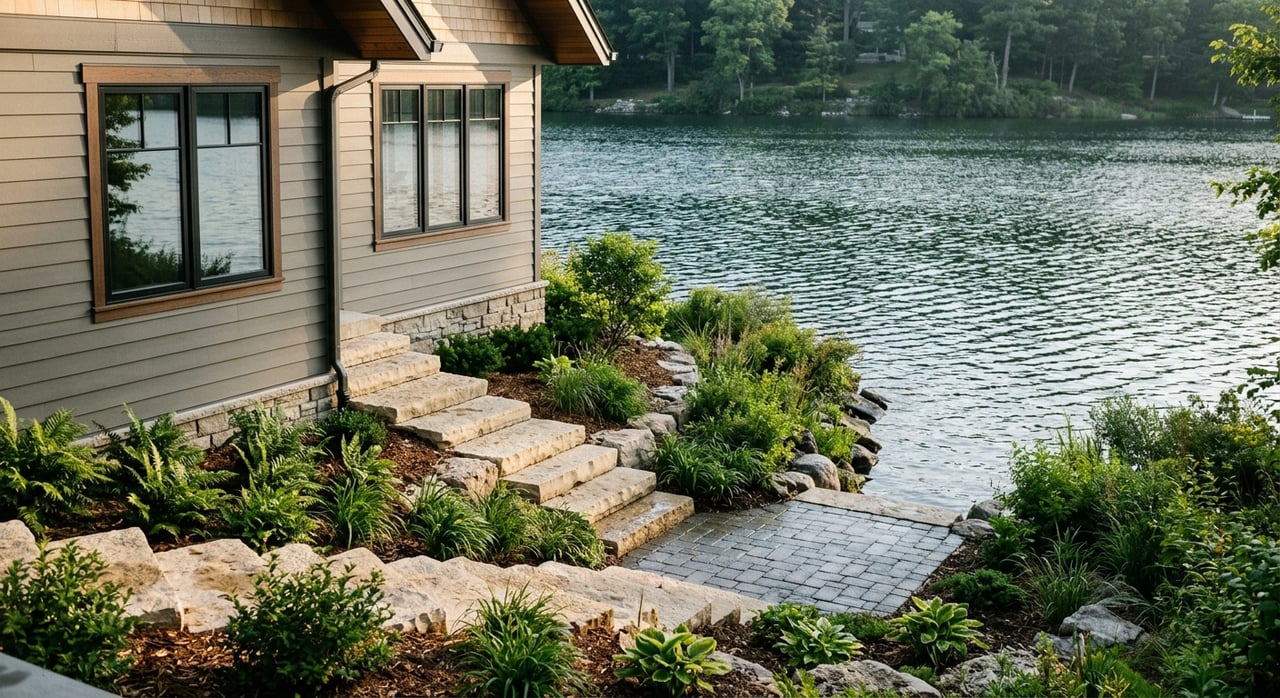
Decide if you want private shoreline, semi-private access through an association or club, or public parks and beaches. Maple Bluff and parts of Shorewood Hills include private waterfront homes. Middleton residents typically reach Lake Mendota through nearby parks. The UW corridor emphasizes public shoreline amenities and everyday access by foot or bike.
As of early 2026, off-peak drives from Maple Bluff and Shorewood Hills to Capitol Square are typically in the single-digit to low-teens minutes range, depending on route and traffic. The UW lakeshore corridor is often walkable or bikeable to campus and much of downtown. Middleton commutes by car commonly take longer, especially at rush hour, which many buyers trade for newer homes and larger yards.
Maple Bluff is a small independent village on Lake Mendota’s northeast shore with about 1,300 to 1,400 residents and a compact footprint. It is home to the Wisconsin Governor’s Executive Residence, village parks, a community beach, and a long-established country club, all of which shape its lakeside identity. You can learn more about the village’s amenities and services on the Village of Maple Bluff page and see the Governor’s Executive Residence overview.
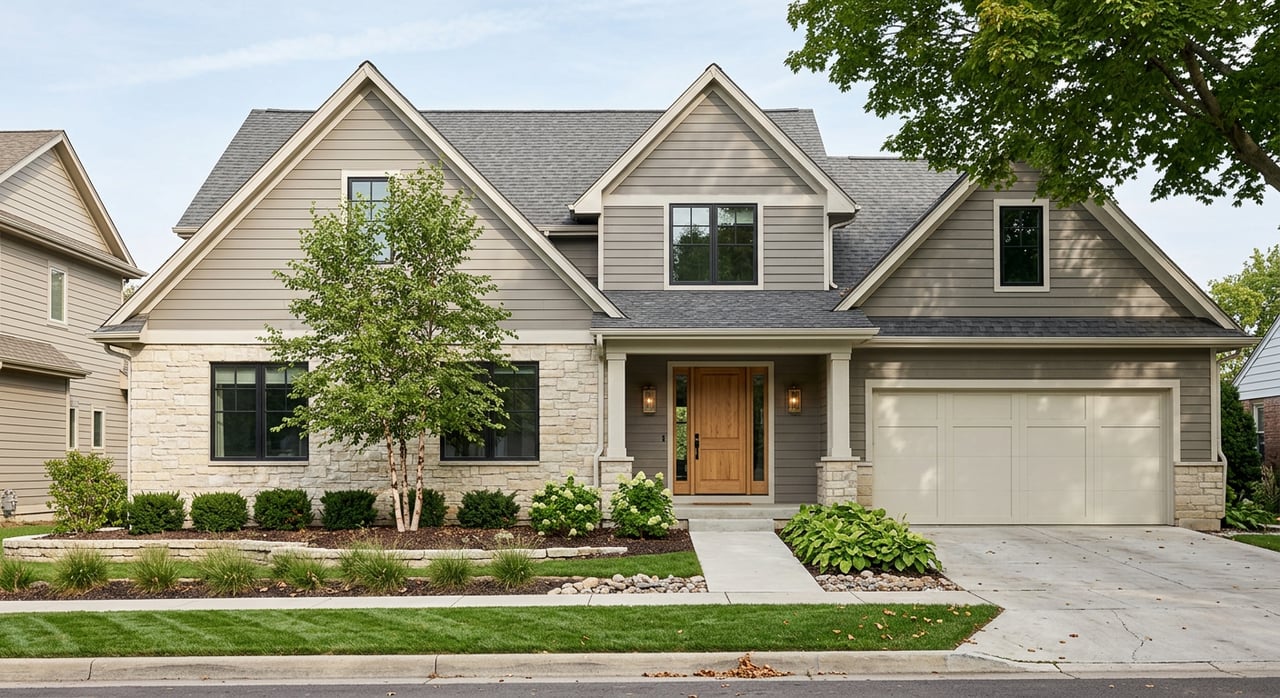
Housing in Maple Bluff ranges from historic early 20th-century homes to custom new builds. Many properties sit on larger, estate-scale lots with mature trees. Waterfront homes offer private shoreline or dock setups, while inland blocks still feel leafy and residential. Published value indices in recent reporting cluster in the upper six figures to around one million dollars, with luxury lakefront sales landing higher. Because the village sees very few closings in any given month, medians can jump when one or two lakefront estates sell.
Property taxes are typically higher in absolute dollars here because assessments reflect premium land and lake frontage. Effective rates vary by assessment year, but local analyses show lakefront villages often produce larger bills on a dollar basis. To understand your likely bill, pair an estimated effective rate with your target price and then verify with the county search tool linked from the Village of Maple Bluff site.
Daily living in Maple Bluff feels quiet and residential, with short off-peak drives to Capitol Square and the UW. Many buyers choose it for privacy, prestige, and the country-club adjacency rather than walk-to-everything convenience.
Shorewood Hills is another small village with a strong lakeside identity tucked between UW and Tenney Park. Its location means easy access to campus, hospitals, and downtown. For a quick civic and demographic snapshot, see the Shorewood Hills profile.
You will find a notable mix of early-century and mid-century architecture here, including homes by well-known designers, smaller lots than the largest Maple Bluff estates, and some properties with direct lake exposure. Published indices in recent reporting place values in the high six-figure to low seven-figure range, with month-to-month volatility due to few sales.
Shorewood Hills offers village parks and quick connections to UW shoreline amenities. Buyers who love design-forward homes and campus adjacency often prioritize this village. Commutes to campus and downtown are short by car or bike, especially off peak.
Middleton is a larger suburban city northwest of Madison. It is not primarily a Lake Mendota shoreline municipality. Residents enjoy easy access to green space, conservancies, and regional parks, and some neighborhoods sit a short drive from the lake. For an overview of Middleton’s neighborhoods, amenities, and schools, review the Middleton local guide.
Housing choices span newer subdivisions and planned communities with a broader price distribution. Inventory is higher than in the small lakeside villages, which tends to stabilize medians and improve buyer choice. Recent market snapshots show median sales commonly in the mid 400s to 600s depending on the time period and submarket. If you want to explore data a bit more, a consolidated Dane County view that includes Middleton is available in this market data resource.
Lake access in Middleton is mostly public. Locals launch, swim, and paddle at regional assets like Governor Nelson State Park and Mendota County Park. Commutes to Capitol Square by car typically take longer than from the lakeside villages, especially during rush hour, which many buyers accept in exchange for newer homes, larger yards, and a suburban street pattern. School boundaries should always be confirmed directly with the district before you buy.
If your top priority is walkability near campus and downtown, the UW lakeshore corridor may be the best fit. Neighborhoods along Tenney Park, University Bay, and adjacent areas offer an urban-lake experience with tight lots, a high share of condos and rentals, and steady turnover. Explore a neighborhood overview with the Madison lakeshore corridor guide.
Here, you will trade lot size and private docks for public shoreline amenities like Tenney Park and the Lakeshore Nature Preserve. Prices run a wide range because the housing stock mixes smaller single-family homes, older bungalows, townhomes, and condos with occasional high-end lakefront properties. Many residents walk, bike, or bus to campus and downtown year round.
Lifestyle
Housing stock
Price dynamics
Lake access
Commute feel
Choose Maple Bluff if you want a prestigious lakeside address, privacy, and the option for private waterfront. Expect premium pricing and higher absolute property tax bills that reflect larger assessments. Many buyers here value a quiet setting near the city, country-club connections, and estate-scale lots.
Choose Shorewood Hills if you want lake proximity plus immediate access to UW and Tenney Park, and you appreciate architecturally significant homes. Lots are generally smaller than Maple Bluff’s largest estates, but the location and design pedigree are big draws.
Choose Middleton if you want newer construction, larger yards for the money, and steadier inventory. You will likely drive to lake recreation through nearby public parks. This is a practical pick when you want value and space in a suburban context.
Choose the UW lakeshore corridor if you prioritize walkability, everyday access to campus and downtown, and a condo or smaller-lot lifestyle. Public shoreline amenities define the neighborhood experience.
It helps to separate the effective rate from the home value. An effective rate is the annual tax divided by the home’s assessed or market value. Local analyses have reported snapshot effective rates around 2.4 percent in Maple Bluff and about 1.9 percent in Shorewood Hills, depending on the year and how the calculation pairs recent sales with tax bills. See the context in this Dane County tax analysis. These figures can change with each reassessment cycle.
Use quick math to visualize your range:
On a 500,000 dollar home
On a 1,500,000 dollar home
Because lakefront assessments are higher, absolute tax bills on waterfront homes can land in the mid five figures. In both Maple Bluff and Shorewood Hills, you will also find inland homes with lower assessed values and lower dollar taxes. When you are serious about a property, verify the current bill using the county’s property search linked from the Village of Maple Bluff site, and ask for the latest assessment notice.
Maple Bluff: Off-peak drives to Capitol Square commonly fall in the single-digit to low-teens minutes range, depending on route and traffic. The village’s compact setting and proximity to central Madison help keep drive times short, especially outside rush hour.
Shorewood Hills: Also very close to UW and downtown. Many residents bike to campus or reach hospitals and research buildings within minutes by car during off-peak hours. A community profile supports the short-commute character of the village.
Middleton: Commuters often plan more time by car, particularly at rush hour. The tradeoff is a broad selection of newer homes and suburban amenities. For a local overview, see the Middleton guide.
UW lakeshore corridor: Many buyers here skip the car. Public shoreline paths, bike routes, and transit link the corridor to campus and the Capitol. You can preview the corridor’s walkable feel in this neighborhood overview.
If you are deciding between Maple Bluff, Shorewood Hills, Middleton, and the UW lakeshore corridor, start by ranking four things: privacy vs walkability, your price range, preferred type of lake access, and expected commute. From there, tour a short list of blocks in each area and compare recent solds side by side. We can help you source verified comps, estimate taxes with current assessments, and map drive times at the hours you care about most.
Ready to find your perfect Lake Mendota fit? Book a free neighborhood consultation with Kristine Jaeger for tailored guidance and on-the-ground touring support.
Stay up to date on the latest real estate trends.

Get assistance in determining current property value, crafting a competitive offer, writing and negotiating a contract, and much more. Contact us today.