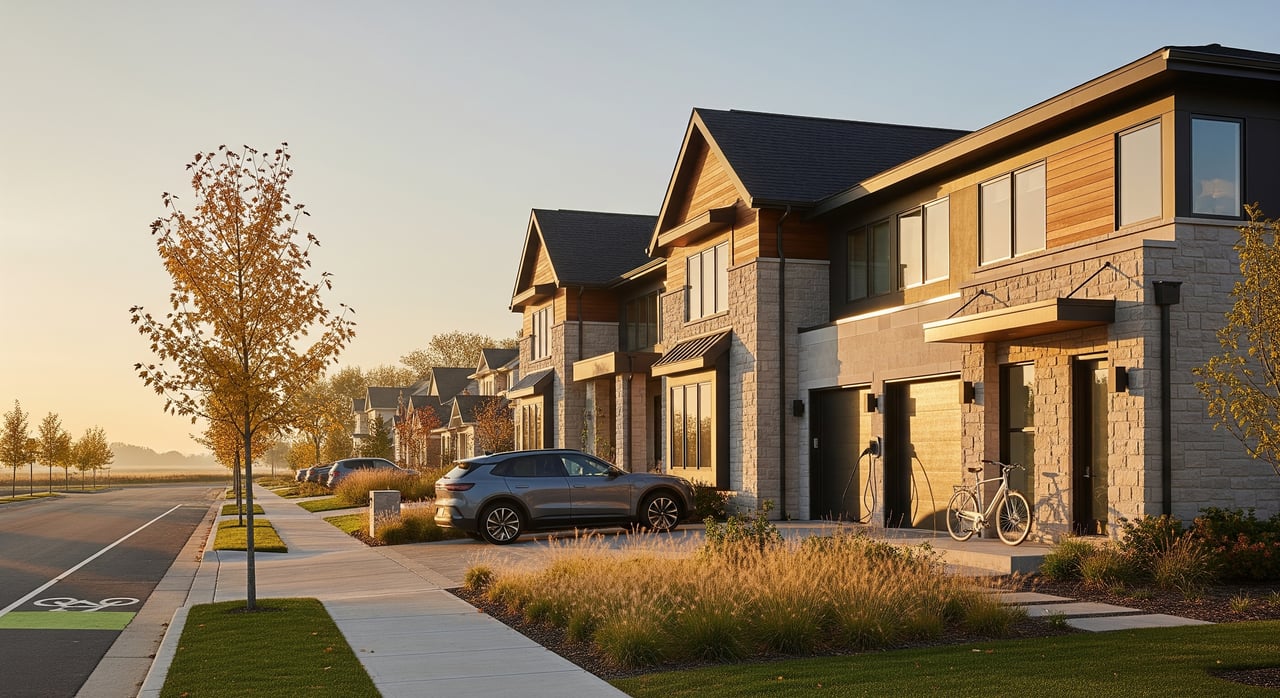
DeForest And Windsor Neighborhoods For Busy Commuters
February 12, 2026
February 12, 2026
If you want shorter, more predictable drives into Madison, where you live in DeForest or Windsor can make a big difference. As a busy commuter, you need a neighborhood that fits your routines, not just your budget. In this guide, you’ll learn how to evaluate commute routes, the main neighborhood types in DeForest and Windsor, and the tradeoffs that matter for day-to-day life. Let’s dive in.
Your goal is a drive that is consistent and stress-minimized, not just fast on a perfect day. Use these steps to test the routes that match your schedule:
Below are common neighborhood types you’ll see in DeForest and Windsor, organized by commute and lifestyle tradeoffs. Use these to focus your search, then verify details block by block.
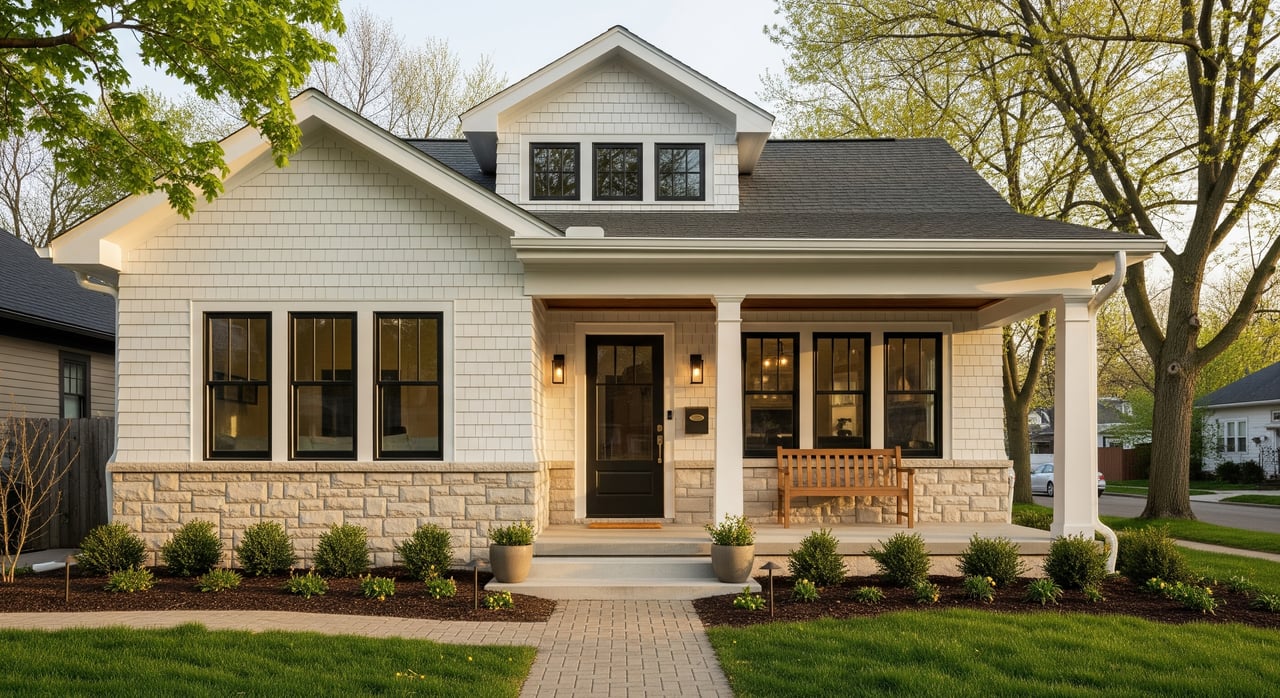
You’ll find older single-family homes and bungalows near the village center with smaller lots and everyday errands close by. You trade a few extra minutes to freeway on-ramps for easy access to shops, restaurants, and schools. This setup is ideal if you want quick local trips and a defined neighborhood feel. Older homes may need updates, and parking or garage space can vary, so factor that into your plans.
Subdivisions along or near US‑51 offer direct surface-street access into Madison. Homes range from mid-20th century to newer builds on moderate lots. The appeal is a consistent route with fewer turns. Expect more traffic at peak times and possible noise if you live very close to the highway. Proximity to shopping is a plus for quick errands.
If you often travel beyond Madison or want repeatable freeway access, neighborhoods near interchanges can shave time off longer drives. You will be a short drive from village services and schools rather than a quick walk. Homes closest to interchanges can experience higher traffic and noise. Review local plans for any interchange changes or nearby commercial development.
Newer developments and exurban pockets, often in Windsor or outlying areas, offer modern homes and larger yards. Commutes to central Madison are usually longer, but the tradeoff is more space and a quieter setting. Confirm whether the property is on municipal services or well and septic, and budget for maintenance. Also consider snow removal priorities and response times for municipal services.
Townhome and condo options exist but are more limited than in Madison. You’ll find pockets near the village core and near commute corridors. The commute profile mirrors the surrounding area, but the lifestyle is lower upkeep. Review association documents, fees, and rules to make sure the fit is right for your routine.
DeForest offers grocery, dining, clinics, and community services near the village center, which helps keep errands close to home. Windsor is more residential in parts and may require a short drive for groceries or medical visits. Most major hospitals and urgent care options are in or near Madison, so test those drive times as well.
Many areas are served by the DeForest Area School District, including DeForest Area High School. Boundaries and enrollment can change, so verify attendance zones, open enrollment policies, and school report cards directly with the district and the state’s education resources. Keep language neutral when comparing schools and focus on the programs and logistics that meet your needs.
Utility service can vary by neighborhood. Some homes are on municipal water and sewer, while others use private wells and septic systems. This affects inspections, long-term maintenance, and insurance. Broadband speeds can also vary in outlying areas, which matters if you work from home. Property taxes and fees differ by municipality and school district, so check county records for accurate numbers.
The Yahara River watershed and local wetlands can affect buildability and flood insurance. Use county GIS and FEMA flood maps to review a property’s status. Also review municipal planning documents for upcoming roads, commercial projects, or school builds that could change commute patterns or neighborhood character.
Use this quick, practical approach before you tour homes:
If you want a neighborhood plan that matches your work schedule and lifestyle, we can help you compare options by route, not just by price. Reach out to Kristine Jaeger to book a free neighborhood consultation. We’ll map your commute windows, shortlist the best-fit areas in DeForest and Windsor, and line up smart, efficient tours.
Stay up to date on the latest real estate trends.
Get assistance in determining current property value, crafting a competitive offer, writing and negotiating a contract, and much more. Contact us today.