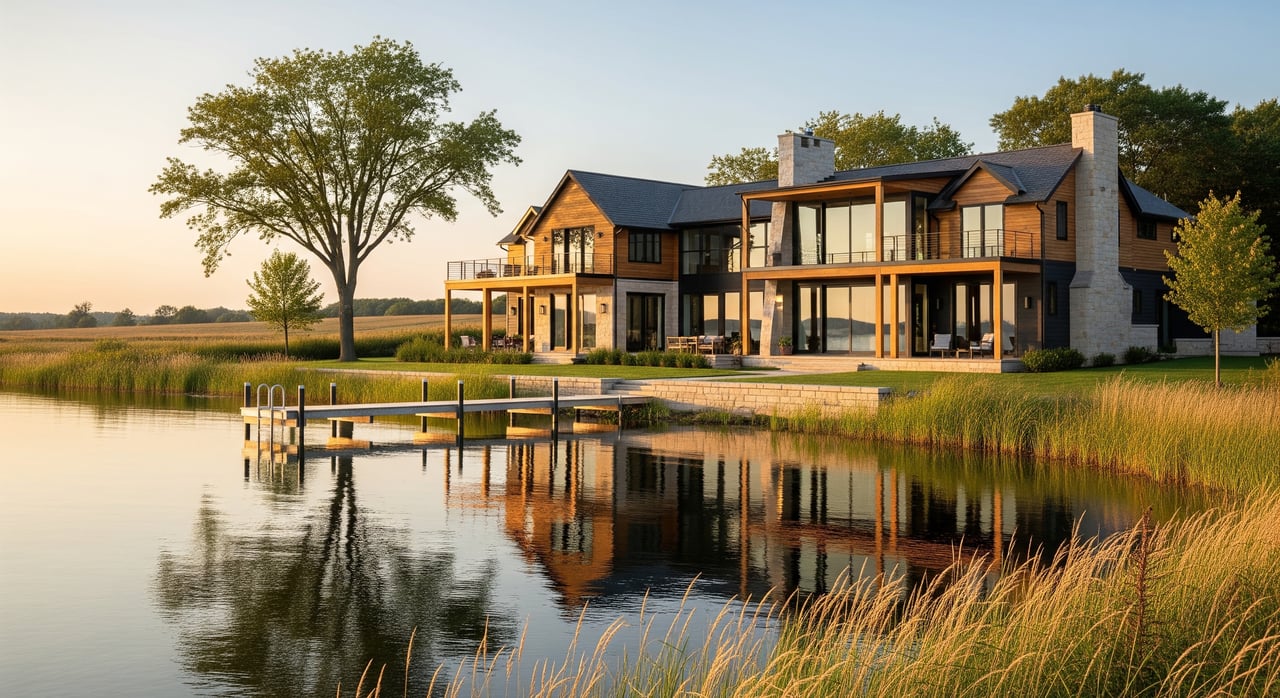
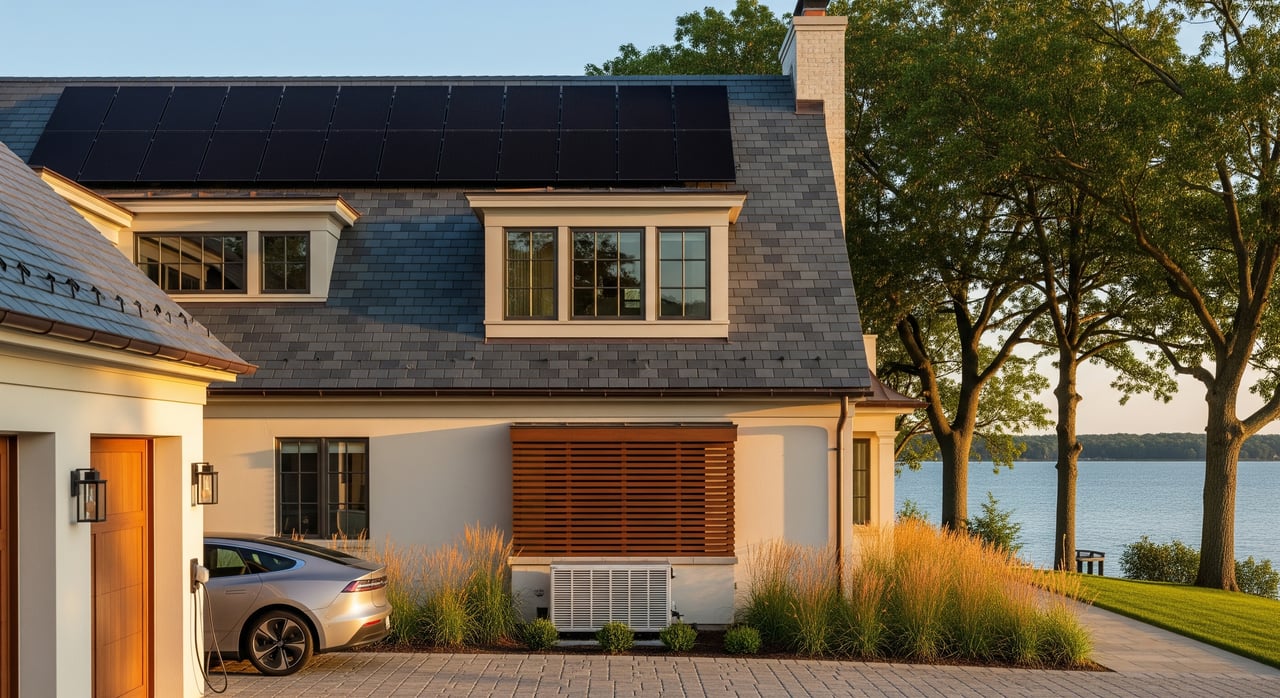
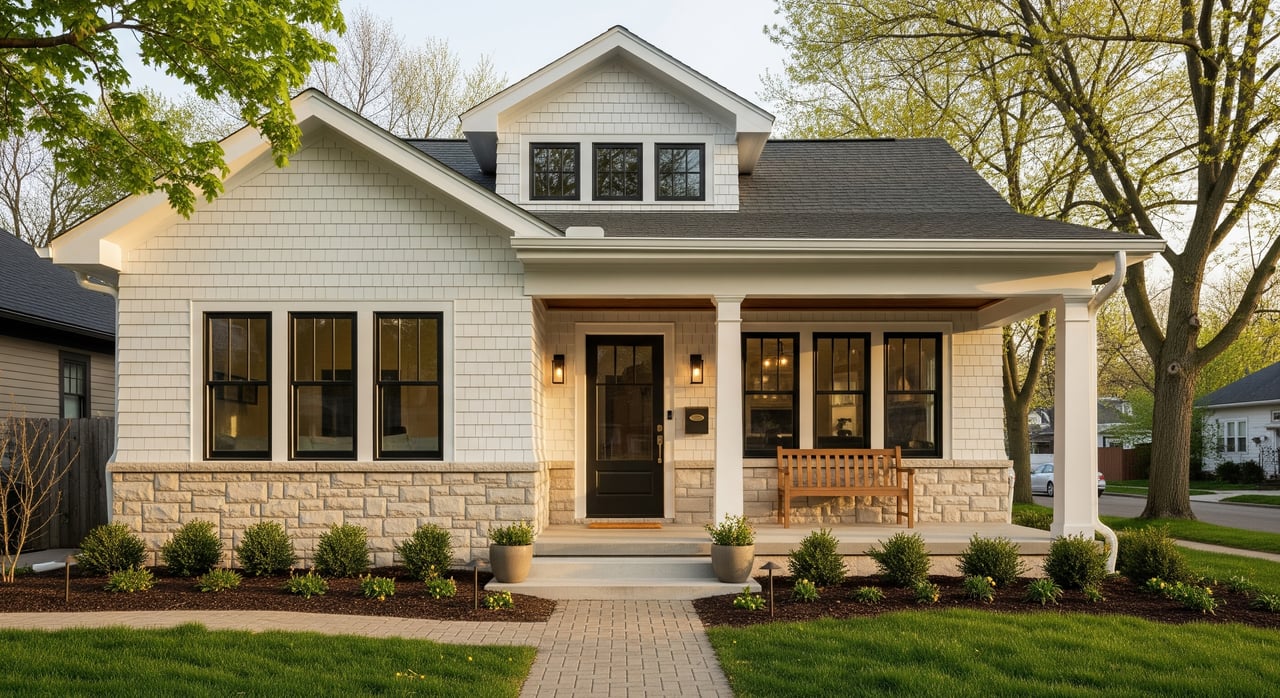
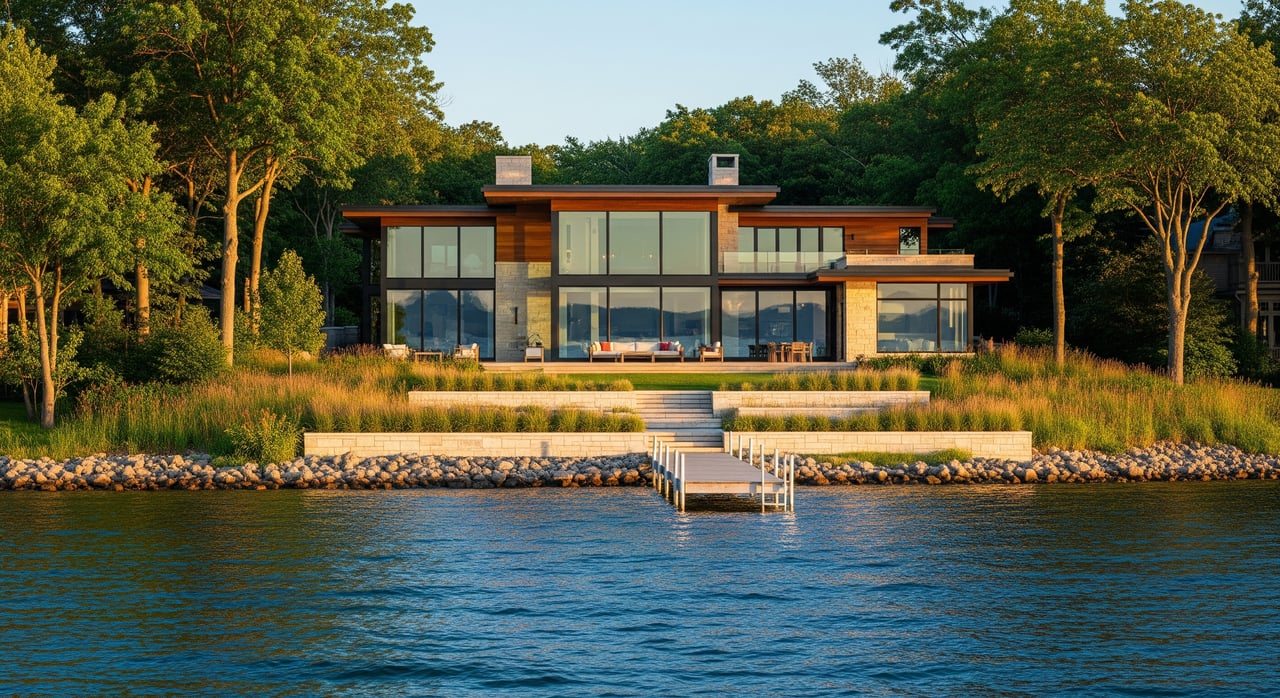
Thinking about living near Madison’s south lakes and torn between a condo and a single-family home? You are not alone. The lakes promise easy paddles at sunrise and crisp winter walks, but the right home type depends on how you plan to live, store your gear, and manage costs. In this guide, you will compare condos and houses through a local lens: HOA dues vs. private maintenance, storage and parking for boats and bikes, snow season logistics, shoreline and flood considerations, and a practical checklist you can use during showings. Let’s dive in.
Life near the south lakes in 53711
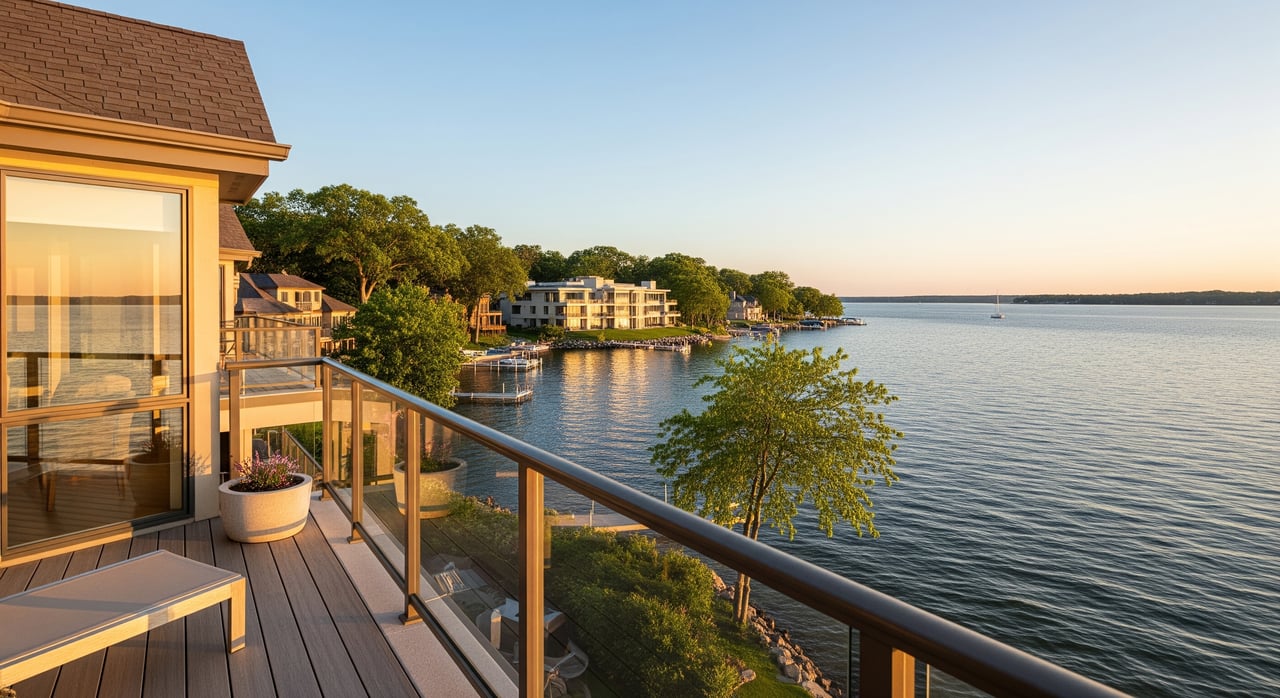
ZIP 53711 sits close to Lakes Monona and Waubesa, with Lake Kegonsa a bit farther southeast. You will find neighborhoods with quick drives to public launches, parks, and marinas. When you evaluate addresses, map specific walking or driving distances to your preferred lake access points instead of relying on ZIP boundaries.
Shoreland zoning can shape what you can build, plant, or change near the water. Wisconsin and Dane County shoreland rules influence setbacks, impervious surfaces, tree removal, and dock or shoreline work. If you are eyeing a property with potential lake access, confirm what is allowed for that parcel and whether permits are needed.
Some communities include private docks or slips through an association. Others rely on municipal or county launches that may have fees or waitlists. Always verify whether a home or condo includes deeded access or rights to a slip, and if not, which public launch you would use.
Condo vs. house: Costs and maintenance
Both condos and single-family homes near the lakes offer great access to the outdoors, but the cost structure and your day-to-day responsibilities differ.
Condos: What dues typically cover
Condo association dues usually bundle exterior upkeep and shared services. Depending on the building and amenities, dues can include:
- Exterior maintenance like roofing, siding, and common element repairs
- Landscaping and snow clearing for private drives and common sidewalks
- Trash, bulk utilities, and sometimes water or heat
- Master insurance for common areas
- Reserve fund contributions for future big-ticket items
- Management and administrative costs
You are typically responsible for interior maintenance, in-unit systems, and your unit-level utilities. Associations can levy special assessments for deferred maintenance or capital projects, so it is smart to review financials.
Single-family homes: What you shoulder directly
With a single-family home, you control your property but you also manage every line item. Expect to pay for:
- Exterior and interior maintenance, including roof, siding, windows, and systems
- Lawn care and landscaping
- Snow removal for your driveway and sidewalks
- Dock installation or shoreline upkeep if applicable
- A comprehensive homeowners insurance policy
Many owners set aside 1 to 3 percent of a home’s value each year for maintenance. Lakeside exposure can add wear to exterior finishes and docks, so plan accordingly.
Costs both options share
- Property taxes assessed by the municipality and Dane County
- Utilities and municipal services
- Possible special municipal assessments, such as street projects
How to get real numbers before you buy
For condos, request:
- Current HOA dues, with a line-item list of what is included
- The most recent reserve study and operating budget
- A record of any recent or pending special assessments
- Master insurance summary and deductible details
For single-family homes, ask:
- Seller’s average annual maintenance spend and recent capital work
- Any known shoreline or erosion mitigation costs
- Permit history for major systems, roof, docks, or septic
Storage, parking, and lake gear
Living near the water often means more equipment. Where you put it matters.
Boats, kayaks, and bulky gear
- Condos often limit private storage. Some offer assigned storage lockers, bike rooms, or garages. Covenants may restrict boat or trailer storage in lots or common areas.
- Single-family homes typically allow more flexibility to store boats, kayaks, and trailers on your property, subject to local ordinances and any neighborhood covenants.
Practical checks:
- Measure garage clearance, especially if you use rooftop carriers or plan to store a small boat indoors.
- If the condo is on an upper floor, confirm elevator dimensions for moving kayaks or bikes.
- Ask whether the association provides dedicated kayak racks, seasonal slip rentals, or if nearby commercial storage is available.
Parking and winter rules
- Some lakeside condos include assigned stalls or garages, while others rely on open surface lots. Confirm guest parking policies, especially during snow season.
- In the City of Madison and nearby municipalities, winter parking rules can include alternate-side parking or overnight restrictions on certain streets. Ticketing and towing are possible for violations. Check rules for your specific street before winter arrives.
- Many municipalities limit long-term street parking of trailers and boats. If you tow often, plan where you will park the trailer overnight.
Snow removal and winter operations
- Condos commonly handle plowing of private drives and clearing of common sidewalks. Confirm who clears your building entry or unit-level walkways and whether ice control is included.
- Single-family owners must clear sidewalks and driveways within the local timeframe after snowfall. Consider the cost of a seasonal plowing service or the time and equipment you will need.
Insurance, flood, and shoreline rules
Waterfront proximity adds risk variables. Take time to understand insurance and regulation before you commit.
Flood and shoreline risk
- Some parcels sit in FEMA flood zones or local floodplain overlays. Elevation, shoreline protection, and historical water levels affect risk.
- Check FEMA flood maps and Dane County floodplain and shoreland layers for the property. Ask sellers about any high-water events and what mitigation steps they took.
- Many shoreline projects require county and state permits. If you plan to add or modify a dock or shoreline protection, confirm the permitting path early.
Insurance differences to verify
- Standard homeowners or condo policies do not cover flooding. If the property is in a higher-risk zone, a separate flood policy may be required by your lender or recommended for peace of mind.
- For condos, confirm the master policy type and deductible. Know what your HO-6 policy must cover, including interior improvements and personal property.
- Proximity to water can influence underwriting and premiums. Obtain quotes as part of your due diligence.
Regulatory and legal checks
- Condos: Request governing documents, recent budgets and meeting minutes, reserve studies, insurance certificates, and rules covering rentals, pets, docks, and boat storage. Ask about any pending litigation or major projects.
- Single-family: Review covenants, special assessments, and permit history. If applicable, check septic or well requirements and any environmental notes for the parcel.
Lifestyle fit: How to decide
Choosing between a condo and a single-family home near the lakes often comes down to how you spend your time.
- Pick a condo if you want lower day-to-day exterior responsibility and simpler winter living. Dues can make costs feel more predictable, and snow removal is often handled for you. You will trade some storage flexibility and control over exterior changes.
- Choose a single-family home if you need more storage and flexibility for boats, gear, and parking. You will have greater control over your property and yard but will manage your own maintenance, snow removal, and any shoreline upkeep.
There is no one-size-fits-all answer. Focus on the way you live in each season and the type of access that matters to you.
South-lake buyer checklist
Use this checklist while touring properties near Lakes Monona, Waubesa, and Kegonsa.
Lifestyle and lake use
- Yard space or low-maintenance living: Which fits better for privacy, gardening, or pets?
- Storage needs: Measure space for boats, kayaks, bikes, and trailers. Confirm any condo restrictions.
- Lake access: Do you need a private dock or slip, or is a short walk or drive to a public launch fine? Verify deeded rights or association availability.
Cost and financials
- Condos: What are the current HOA dues, what do they cover, and when was the last reserve study? Any recent or pending special assessments?
- Single-family: What are typical annual maintenance costs and upcoming capital items? Ask for seller disclosures and recent invoices.
- Taxes and assessments: Review property tax history and ask about municipal or association special assessments.
Snow, parking, and access
- Who clears snow from sidewalks, driveways, assigned stalls, and common walks? Is it included in dues or is it your responsibility?
- Winter parking rules: Are there alternate-side or overnight restrictions on the street?
- Trailer and boat parking: Where will you keep a trailer overnight and during the off-season?
Insurance and risk
- Flood and shoreline: Is the home in a FEMA flood zone or local floodplain? Ask for flood history and any mitigation.
- Insurance: For condos, review the master policy and deductibles. For homes, obtain quotes that include flood if applicable.
Association governance for condos
- Rental, occupancy, pet, and boat rules: Any limitations that impact your plans or future resale?
- Financial health: Review minutes, budgets, and reserve studies for upcoming projects or assessments.
- Visitor parking: Are guest spots adequate for your needs?
Practical site checks
- Visit at different times to see street parking, lighting, and waterfront activity.
- Walk the route to the nearest lake access. Note distance, elevation change, and any busy crossings.
- Inspect storage spaces, garage dimensions, and elevator access for large gear.
Next steps and local help
Buying near the lakes is a lifestyle choice and a logistics puzzle. When you line up costs, storage, winter operations, and lake access, the right answer becomes clear. If you are weighing specific condos or homes, a local team can help you compare governing documents, parking and snow rules, flood layers, and day-to-day living details so you feel confident before you write an offer.
If you are ready to zero in on the best fit near Lakes Monona, Waubesa, or Kegonsa, connect with Kristine Jaeger to book a free neighborhood consultation. You will get practical guidance, neighborhood-level insight, and end-to-end support from search through closing.
FAQs
What should I budget for condo HOA dues near Madison’s south lakes?
- Dues vary by building age, size, and amenities. Ask for a line-item breakdown of what is included, the latest reserve study, and any recent or pending special assessments.
How do I check flood risk for a home near Lake Monona?
- Review FEMA flood maps and Dane County floodplain layers for the parcel, then ask the seller about high-water history and any mitigation like shoreline stabilization.
Can I store a boat or trailer at a lakeside condo in 53711?
- Many associations restrict on-site boat or trailer storage. Confirm CC&Rs, ask about dedicated racks or slip options, and plan for off-site storage if needed.
Who handles snow removal at condos versus single-family homes?
- Condos often clear private drives and common sidewalks as part of dues. Single-family owners must clear their own driveways and sidewalks within local timeframes.
What winter parking rules matter if I live near Lakes Waubesa or Monona?
- Expect seasonal rules like alternate-side or overnight restrictions on some streets. Check the specific municipal rules for your address to avoid tickets or towing.