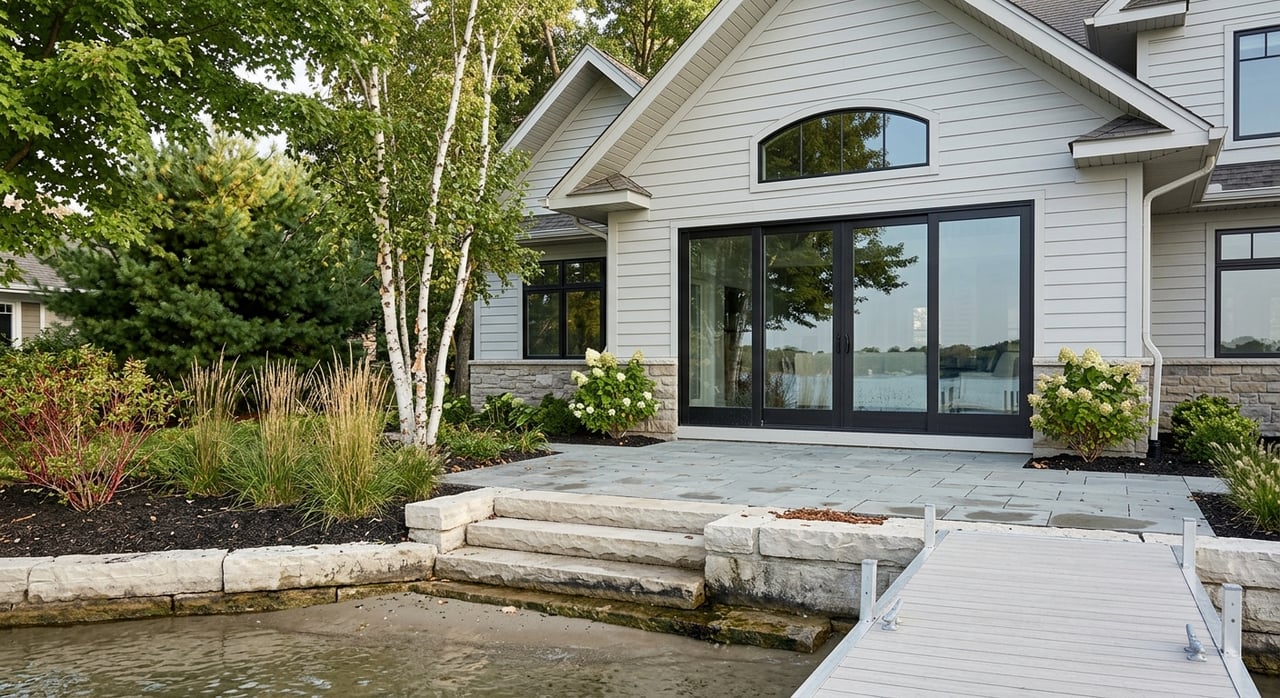
Your Lake Mendota Waterfront Buying Checklist
June 18, 2026
June 18, 2026
Buying on Lake Mendota is not the same as buying a typical house in Dane County. When you are looking at waterfront property on the north side of the lake, you are also evaluating shoreline rules, water access, lake levels, maintenance demands, and future improvement limits. If you want to buy with fewer surprises and more confidence, this checklist will help you focus on the details that matter most. Let’s dive in.
On Lake Mendota, one of the first questions is whether a property is truly lakefront and what rights come with it. Wisconsin’s public-trust and riparian rules matter on any navigable lake, and the ordinary high-water mark helps determine where shoreline jurisdiction begins.
That means you should not rely on a listing description alone. A survey and title review can help confirm frontage, easements, and whether the lot is actually riparian. Dane County’s mapping tools can help with early screening, but the county says they are not intended for site-specific boundary decisions.
Waterfront parcels can involve more than one layer of review. Depending on the parcel, the city, village, or county may be the lead reviewer for certain permits or approvals.
Before you make plans for a dock change, shoreline project, or home addition, confirm which local office has jurisdiction. This simple step can save time and help you avoid planning around the wrong rules.
In Dane County, the shoreland zone generally extends 1,000 feet inland from the ordinary high-water mark of a navigable lake. The county also generally applies a 35-foot vegetative buffer zone and a 75-foot structure setback from the ordinary high-water mark unless an exception or mitigation applies.
For you as a buyer, that affects how you think about future changes. A home may look like it has room for expansion, but shoreland setbacks, buffers, and mitigation requirements can narrow your options.
If the property includes a pier, dock, lift, boat shelter, boathouse, mooring buoy, riprap, or seawall, ask for records early. Many in-water and shoreline structures are regulated, especially below the ordinary high-water mark.
You will want to know whether an existing structure is exempt, grandfathered, or permitted. You should also ask whether the shoreline footage limits the number of boat slips or personal watercraft spaces allowed.
Do not assume an existing dock or shoreline improvement is automatically compliant because it has been there for years. Wisconsin DNR guidance makes clear that many structures depend on exemption rules or permits, not just age.
If you are planning to replace or expand anything, the details matter even more. Local approvals may still be required above the ordinary high-water mark, even when DNR rules apply below it.
Waterfront ownership often comes with costs that do not show up in the list price. On North Lake Mendota, your budget should account for flood risk, shoreline work, inspections, and ongoing system maintenance if the property is not fully served by municipal utilities.
That does not mean every property will be high-maintenance. It does mean you should build a realistic ownership budget before you fall in love with the view.
If a home is in a FEMA Special Flood Hazard Area and you are using a mortgage, flood insurance is generally required. Standard homeowners insurance usually does not cover flood losses.
Ask for flood-zone information, elevation details if available, and any prior flood history the seller can document. This is one of the most important financial questions you can answer before writing an offer.
If you plan to change the shoreline, add impervious area, or do mitigation work, permit costs can add up. Dane County’s current fee schedule lists a Shoreland Mitigation Permit at a $500 base fee plus $0.016 per square foot of new or redeveloped impervious area in a common case.
Some projects may also involve erosion control, stormwater, zoning, floodplain, or shoreland approvals. If the work is substantial, Dane County says the stormwater portion is usually designed by a Wisconsin-licensed professional engineer, so design costs may be part of your planning too.
If the home has a private well or septic system, include inspection and long-term maintenance in your budget. Public Health Madison & Dane County requires most septic systems to be inspected every three years and lists a $12 annual maintenance fee per septic system.
For private wells, Wisconsin DHS recommends bacteria and nitrate testing at least once a year and arsenic and lead testing every five years. You should also leave room for pumping, repairs, or eventual replacement if those systems are older.
A waterfront showing should go beyond the house itself. On Lake Mendota, shoreline condition, drainage, and erosion exposure are central parts of the property.
During a showing or inspection, pay close attention to moisture intrusion, runoff paths, grading, retaining walls, and signs of past flood or wave damage. These are not small details on a lakefront property. They can shape both your near-term costs and your long-term use of the home.
Shoreline erosion is a major issue on Lake Mendota. The DNR regulates riprap, seawalls, and similar structures below the ordinary high-water mark, and new seawalls generally require an individual permit.
The DNR also recommends biological erosion-control methods when feasible because they are more self-sustaining and better for habitat. If you see a failing shoreline edge or aging hardscape, ask what was installed, when it was done, and whether it was approved.
A neatly cleared shoreline may not be as simple as it looks. Dane County generally prohibits vegetation removal inside the 35-foot vegetative buffer zone unless an exception applies, such as an approved access corridor or mitigation plan.
That means landscaping choices near the water can have permitting implications. If the shoreline appears heavily trimmed or cleared, ask whether there is an approved plan on file.
Lake Mendota is a large, active lake with public shoreline access and numerous boat launches. Summer use patterns can feel very different from winter conditions, especially when you are evaluating noise, wake exposure, and dock convenience.
A beautiful winter showing may not tell you how that same shoreline feels during peak boating season. If possible, revisit the property when the water is open.
Dane County maintains a 200-foot slow-no-wake zone along the entire shoreline of Lake Mendota. Emergency slow-no-wake restrictions can also be imposed during high-water periods.
For you, that means it is smart to look at how the dock sits relative to the shoreline, whether navigation buoys affect frontage, and how water movement may affect shoreline wear. A property’s boating setup should fit how you actually plan to use the lake.
Snow and ice can hide drainage problems, shoreline wear, and dock access issues. If you are touring in winter, ask direct questions about what may be hidden from view and what the owner does seasonally to maintain the property.
A spring or summer revisit can give you a clearer picture of shoreline vegetation, waterline exposure, and general lakefront upkeep. That extra visit can be well worth it before you commit.
A solid waterfront purchase usually involves more than a standard home search team. Because waterfront property touches title, survey, shoreland, waterway, floodplain, and sometimes well and septic issues, it helps to bring in the right experts early.
That often includes a waterfront-experienced buyer’s agent, title company, surveyor, well or septic inspector, local zoning staff, and DNR waterway staff if shoreline work is planned. In some cases, you may also need a shoreline engineer or erosion-control contractor.
Use your due diligence window to get specific answers. The most useful questions often include:
Good answers to these questions can help you compare properties more clearly. They can also protect you from buying a waterfront home that does not match your goals.
If you want a simple way to stay organized, keep this shortlist with you during showings:
Buying on North Lake Mendota can be incredibly rewarding, but the best purchases happen when you look past the view and study the shoreline details. If you want local guidance on comparing lakefront homes in Dane County and asking the right questions before you offer, connect with Kristine Jaeger.
Stay up to date on the latest real estate trends.




Get assistance in determining current property value, crafting a competitive offer, writing and negotiating a contract, and much more. Contact us today.