
Selling a Home in Deforest or Windsor: Key Steps
July 2, 2026
July 2, 2026
Selling a home in DeForest or Windsor can feel simple from the outside, but the details matter. Even in an active Dane County market, homes in these two communities have been taking longer to sell than the county overall, which means your price, presentation, and timing can shape your result. If you want a smoother sale and fewer surprises, it helps to know what happens before you list, after you accept an offer, and all the way through closing. Let’s dive in.
If you are selling in DeForest or Windsor, it is smart to start with local numbers instead of broad headlines. Recent market snapshots show DeForest with a median sale price of $549,671 and 71 median days on market in May 2026. Windsor showed a median sale price of $594,643 and 86 median days on market in April 2026.
Those numbers matter because Dane County overall was at a median sale price of $464,203 and 49 days on market in April 2026. In other words, DeForest and Windsor have been selling at higher median prices than the county, but they have also been taking longer to sell. That is a good reminder that you should not count on an instant sale.
The broader county market still shows buyer competition. In April 2026, 44.6% of homes in Dane County sold above list price. That tells you strong offers are possible, but it does not mean every home will sell fast or at full price.
Before your home hits the market, your early decisions set the tone for the whole sale. The two biggest ones are how you prepare the home and how you price it. Both need to reflect your specific area, recent nearby sales, and current buyer expectations.
A county-wide average is not enough to price a home in DeForest or Windsor. The gap between county pricing and local medians shows why neighborhood-level data matters. Your list price should reflect recent comparable sales, current competition, and how long similar homes are taking to sell.
Pricing too high can slow down your momentum. In a market where median days on market are already longer than the county average, that can lead to fewer early showings and tougher negotiations later.
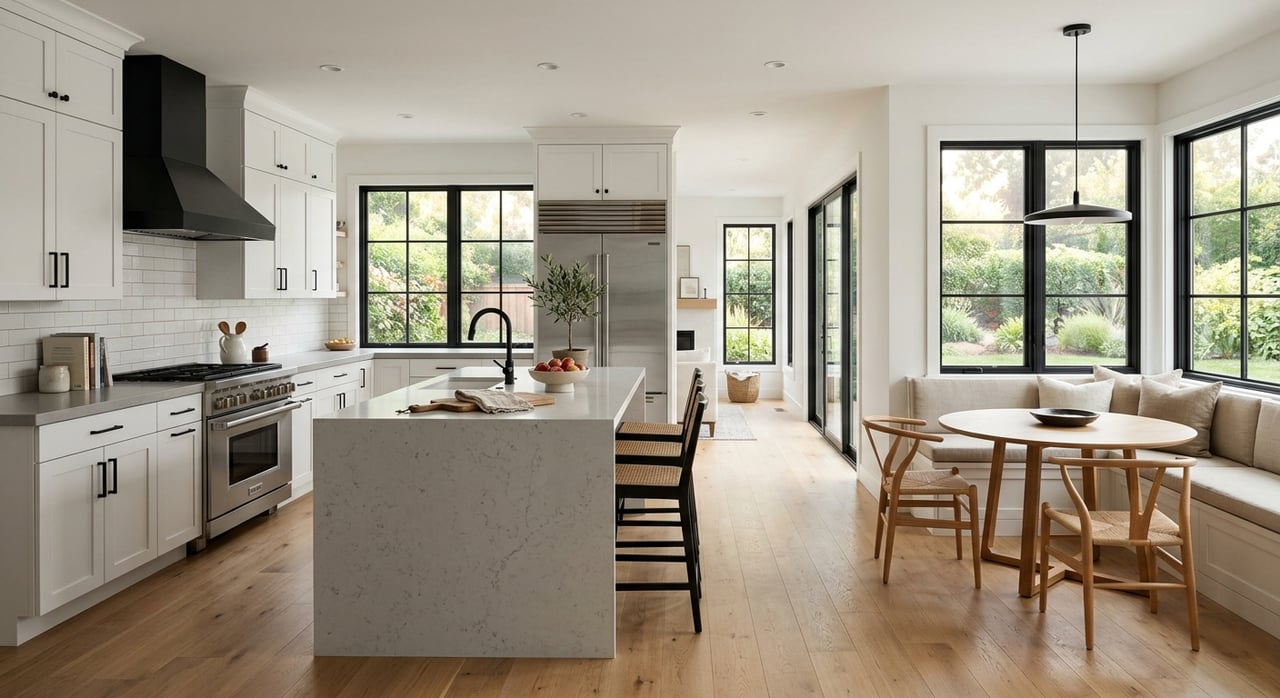
Presentation still matters in a somewhat competitive market. Cleaning, decluttering, and making the home easy to show can help buyers focus on the space instead of distractions. Staging is also commonly recommended before a home is listed.
Your goal is simple. You want buyers to walk in and see a home that feels well cared for and easy to picture themselves using.
A practical pre-listing checklist may include:
One of the most important parts of selling in Wisconsin is handling disclosures correctly. These rules are not just paperwork. They affect deadlines, buyer rights, and your transaction timeline.
Under Wisconsin Chapter 709, you must provide a completed real estate condition report within 10 days after acceptance of a contract of sale or option contract. The report is only considered complete if every item is answered.
If you learn new information before acceptance that changes one of your answers, you must submit an amended report. That amendment needs to include the property address, owner name, report date, the statement number affected, and the revised answer.
If the buyer does not receive the report on time, the buyer may rescind within 2 business days after the 10-day period. If that happens, deposits or option fees are returned.
If your property is a condominium, Wisconsin requires an additional addendum. That addendum includes details such as the condominium name, association contact information, assessment details, and related documents.
If your home was built before 1978, federal law requires lead-based paint disclosure before the sale contract is signed. Buyers must also receive available records and a 10-day opportunity to conduct a paint inspection or risk assessment.
Once your home goes active, your job shifts from planning to consistency. The main tasks during this stage are keeping the home ready for showings, approving access, and reviewing buyer feedback with your listing team.
This period can take patience. Since DeForest and Windsor are active but not instant-sale markets, you may need a real marketing window rather than a quick weekend outcome.
Showings are a key part of your first impression. Buyers often make fast judgments based on condition, light, and overall feel. Keeping the home clean and easy to access gives you the best chance to capture serious interest.
That does not mean perfection every day. It means having a practical system so your home can be ready without too much disruption.
Feedback can help you see how buyers are reacting to your price and presentation. If traffic is strong but offers are not coming in, that may point to concerns about value or condition. If showings are slow, price and marketing may need another look.
A thoughtful seller watches the market while the listing is active. The first plan matters, but so does your willingness to respond to real buyer behavior.
When offers come in, the highest price is not always the only thing to consider. Terms, financing strength, inspection expectations, and timing all affect how solid an offer really is.
In Dane County, a meaningful share of homes are still selling above list price. At the same time, sellers should expect negotiation instead of assuming a simple full-price path.
A strong offer may include more than price alone. Closing timeline, financing details, contingencies, and flexibility around repairs can all shape your net result and stress level.
That is why reviewing offers carefully matters. A slightly lower offer with cleaner terms may be easier to close than a higher offer with more risk.
Home inspections are common, even when they are not required. Inspection results often lead to repair requests, seller credits, or price adjustments.
This is often the point where a deal becomes more concrete. If you go into this stage expecting some negotiation, you will be in a better position to respond calmly and make practical decisions.
After you accept an offer, the transaction becomes more deadline-driven. This is the stretch where each party has a clearer role, and staying organized can help the sale keep moving.
In general, you will focus on disclosures, access, and any agreed repairs or credits. The buyer and lender usually handle the appraisal, financing, and much of the inspection-related process, while the title or closing agent handles settlement paperwork and recording.
Here is a practical step-by-step look at what typically happens:
| Stage | What happens |
|---|---|
| Accepted offer to 10 days | Seller delivers the Chapter 709 condition report |
| After missed disclosure deadline | Buyer may rescind within 2 business days after the 10-day period |
| Pre-closing | Buyer and lender complete appraisal, title search, and inspection-related items |
| 3 business days before closing | Buyer receives the Closing Disclosure for a financed purchase |
| Closing day | Documents are signed and the deed is recorded |
| At recording | Wisconsin transfer fee is paid |
Not every closing follows the same number of days. For financed purchases, rate locks are commonly 30, 45, or 60 days, which helps explain why many transactions take several weeks or more after acceptance.
That does not create a fixed rule, but it does show why flexibility matters. Mortgage approval, inspection scheduling, and appraisal timing can all affect the final closing date.
One state-specific cost sellers should know about is the Wisconsin transfer fee. According to the Wisconsin Department of Revenue, the grantor, meaning the seller, is responsible for this fee.
The fee is 30 cents per $100 of value, or fraction thereof. It is paid when the deed is recorded with the county register of deeds, and the transfer return and payment are normally required before recording.
This is one more reason to review your estimated seller costs early. A clear net sheet helps you understand what you may walk away with after fees and negotiated credits.
Selling your DeForest or Windsor home is not just about putting a sign in the yard. It is a sequence of decisions, deadlines, and negotiations that work best when you have a clear plan from day one.
The right approach starts with neighborhood-level pricing, strong listing prep, and a realistic view of market timing. From there, careful disclosure handling, responsive showing management, and steady support through inspection and closing can make the process feel far more manageable.
If you want local guidance on pricing, prep, and next steps for your sale in DeForest or Windsor, connect with Kristine Jaeger for a free neighborhood consultation.
Stay up to date on the latest real estate trends.

Get assistance in determining current property value, crafting a competitive offer, writing and negotiating a contract, and much more. Contact us today.